RadonNV Home

Category

Radon Awareness & Detection

15 articles

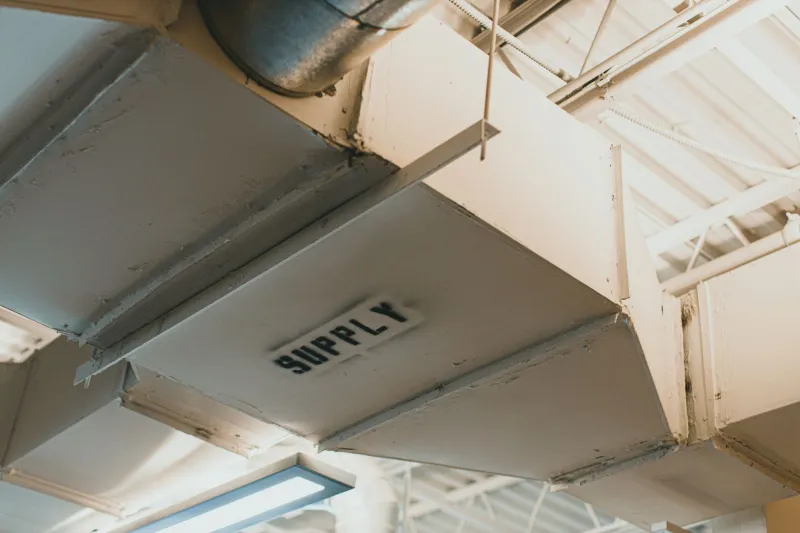
How Your Nevada Home's HVAC System May Be Spreading Radon From Room to Room

How Your Nevada Home's HVAC System May Be Spreading Radon From Room to Room

Most Nevada homeowners think of radon as a basement problem, but your air conditioning and heating system may be carrying that invisible gas into every room you occupy. Understanding how ductwork, return air systems, and pressure dynamics interact with radon accumulation is essential before spending a dollar on mitigation. This guide walks through the mechanics and gives you a clear path forward.

When Energy Savings Become a Health Risk: The Hidden Radon Danger in Nevada's Weatherized Homes

When Energy Savings Become a Health Risk: The Hidden Radon Danger in Nevada's Weatherized Homes

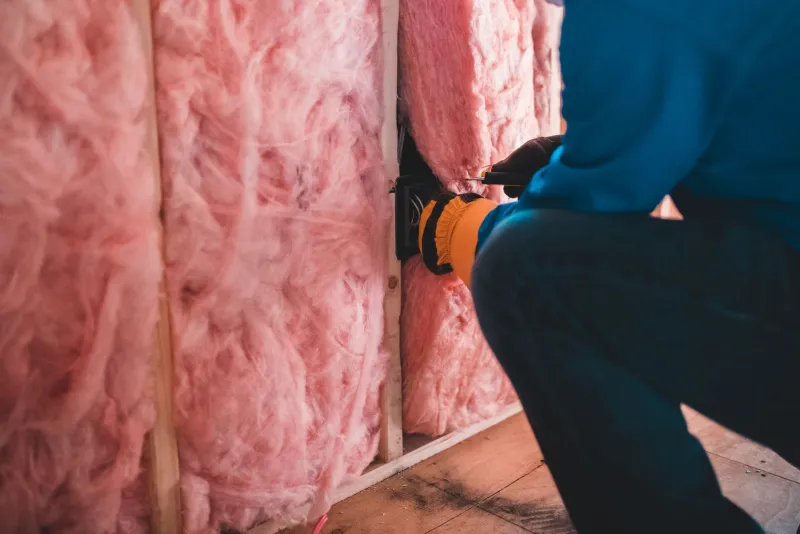
Nevada homeowners investing in insulation upgrades and air sealing to cut utility bills may be unknowingly creating the ideal conditions for radon gas to accumulate indoors. Understanding the relationship between modern weatherization practices and radon buildup is essential before making any major home efficiency improvement. This guide explains the risk and outlines how to protect both your wallet and your family's health.

Silent Threat, Vulnerable Lives: What Every Pregnant Nevada Homeowner Must Know About Radon

Silent Threat, Vulnerable Lives: What Every Pregnant Nevada Homeowner Must Know About Radon

Radon gas poses unique risks to pregnant women and developing fetuses, yet the connection rarely surfaces in prenatal appointments across Nevada. Emerging research suggests that prolonged indoor radon exposure during pregnancy may carry consequences that extend well beyond the mother herself. Here is what expecting Nevada homeowners need to understand — and act on — before another day passes indoors.

Desert Doesn't Mean Dry Indoors: How Radon and Mold Team Up Against Nevada Homeowners

Desert Doesn't Mean Dry Indoors: How Radon and Mold Team Up Against Nevada Homeowners

Nevada's arid reputation leads many homeowners to dismiss mold as someone else's problem — but moisture hides in surprising places throughout desert homes. When radon and mold converge inside the same living space, the combined threat to indoor air quality is far greater than either hazard alone. Understanding where these two dangers intersect is the first step toward protecting your household.

When Smoke Fills the Sky: How Nevada's Wildfire Season Quietly Drives Radon Into Your Home

When Smoke Fills the Sky: How Nevada's Wildfire Season Quietly Drives Radon Into Your Home

Nevada's wildfire season brings more than smoke and ash — it can create the precise indoor conditions that allow radon gas to accumulate to dangerous levels. Understanding the atmospheric and behavioral factors that connect fire season to elevated radon readings gives homeowners a critical advantage in protecting their families. This article examines the mechanisms behind that connection and what proactive steps you should take during summer and fall months.

Street-Level Radon Risk: Pinpointing Nevada's Most Vulnerable Neighborhoods Before the Gas Finds You

Street-Level Radon Risk: Pinpointing Nevada's Most Vulnerable Neighborhoods Before the Gas Finds You

County-level radon data tells only part of the story. For Nevada homeowners, the real picture emerges at the neighborhood and subdivision level, where geology, construction era, and soil composition converge to create radon hotspots that can differ dramatically from one street to the next. This guide breaks down the hyperlocal factors that determine your home's true radon exposure risk.

County by County: Decoding Nevada's Radon Risk Zones Before They Affect Your Home

County by County: Decoding Nevada's Radon Risk Zones Before They Affect Your Home

Nevada's radon risk is far from uniform—your specific county, neighborhood, and even the geological formation beneath your street can determine whether your home faces elevated exposure. This guide breaks down the state's radon geography in granular detail, explaining why zip code matters far more than statewide averages when assessing your household's true risk.

Foundation First: How the Structure Beneath Your Nevada Home Determines Your Radon Risk

Foundation First: How the Structure Beneath Your Nevada Home Determines Your Radon Risk

The type of foundation your Nevada home sits on plays a surprisingly decisive role in how radon gas enters and accumulates indoors. From the rare basement to the ubiquitous concrete slab, each structural design presents its own radon pathways and mitigation challenges. Understanding your home's foundation is the first step toward protecting the air your family breathes.

Renting in Nevada? Here's What You Need to Know About Radon Exposure in Your Home

Millions of Nevada residents rent rather than own their homes, yet radon awareness campaigns almost exclusively target property owners. This guide explains what tenants need to know about radon exposure risks, their legal standing in Nevada, and the practical steps they can take to protect their health even when they don't hold the deed.

Does the Season You Test for Radon in Nevada Actually Matter?

Does the Season You Test for Radon in Nevada Actually Matter?

Most Nevada homeowners assume radon is a year-round constant, but the season in which you test can significantly influence your results. Desert temperature swings, HVAC usage patterns, and shifting ventilation habits all affect how radon accumulates indoors — and when testing is most likely to reveal your home's true risk level. Understanding the science behind seasonal variation could be the difference between a meaningful measurement and a misleading one.

Beyond Lung Cancer: How Radon Exposure Quietly Worsens Asthma and Respiratory Health in Nevada Homes

Most Nevada homeowners associate radon gas with lung cancer risk — and rightly so. Yet emerging research and clinical observations suggest that radon exposure may also aggravate asthma, trigger chronic respiratory inflammation, and compromise lung function in vulnerable individuals, particularly children. Understanding this broader health picture is essential for any family committed to genuinely safe indoor air quality.

Desert Dynamics: How Nevada's Extreme Climate Shapes Radon Accumulation in Your Home

Desert Dynamics: How Nevada's Extreme Climate Shapes Radon Accumulation in Your Home

Nevada's scorching summers, bone-dry air, and dramatic temperature swings create a radon environment unlike anywhere else in the country. Understanding how the desert climate influences radon behavior is essential for homeowners who want accurate test results and effective long-term protection. This article breaks down the science behind climate-driven radon fluctuations and what they mean for your household.

Breathing Danger: How Radon Gas Silently Elevates Lung Cancer Risk for Nevada Homeowners

Radon gas is the second leading cause of lung cancer in the United States, and Nevada's distinctive geological landscape places many residents at elevated risk. Understanding how radon decay products accumulate in the body — and what the EPA says about exposure thresholds — is the first step toward protecting your household. This article breaks down the science and outlines practical steps Nevada homeowners can take today.